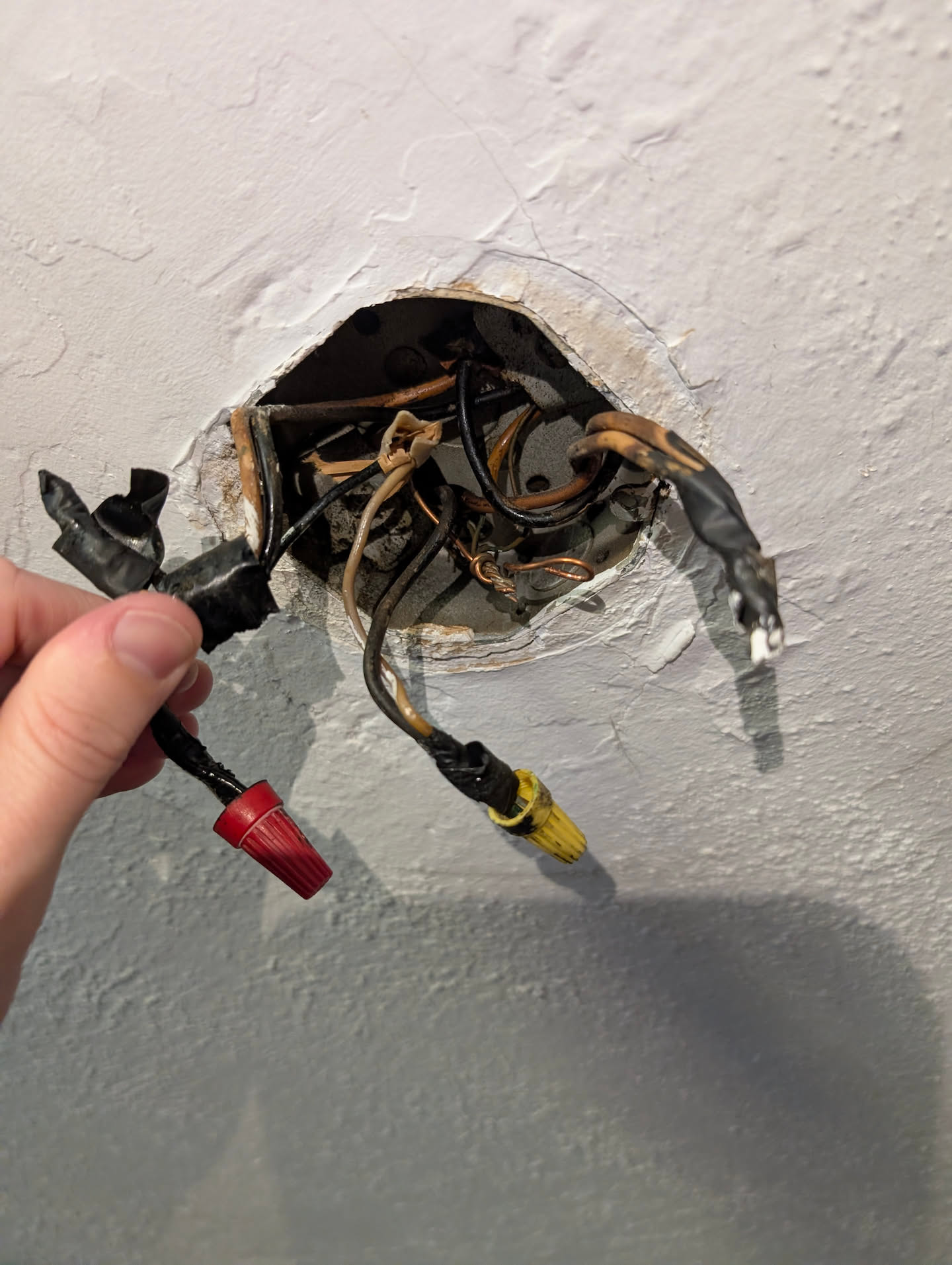
I’ve just received my first Inovelli switch, which I’m trying to use in a single pole, non-neutral spot in my kitchen, connected to two light fixtures on the same line.
Upon wiring it up, matching the line/load on the existing switch, the lights start flashing along with the switch’s LED, which flashes a consistent cyan. No button combinations seem to have any effect. The only change is when I hold down the on or off buttons, the light starts flashing blue instead of cyan.
A factory reset does nothing, the button combo to switch it into smart mode does nothing (my intended configuration) and I’m stumped.
I can’t even get it to connect to my hub, it won’t show in ZHA to pair. But yes, the load is one Hue bulb and then 5 IKEA smart bulbs in a track light fixture.
Thanks for upping the trust level - but it looks like my video is too large to upload. It is in the YouTube link, though.
Did you test to confirm which was the hot? If not, I would double-check that just to make sure. It’s probably correct, but let’s eliminate that as an issue.
The flashing is strange. Typically if a switch is not getting enough power, the switch will reboot, not flash. Can you swap at least one of the bulbs for a non-smart bulb? Ideally, I’d want to isolate the single bulb fixture and just test with that, but that may be more trouble than it’s worth.
I don’t have another Inovelli, this is my first and only so far. I’ll see if I can find a standard LED bulb to test in the standard fixture when I get home today.
One thing I noticed, is the air gap wiggles a little bit in its spot. I don’t know how solid it should be, but touching it or wiggling it in its spot doesn’t seem to really affect the pattern of flashing on and off. Just thought I would mention it, though. I did try pulling it out and pushing it back in a couple of times, though.
Oh, and I do not have a bypass. I did see that suggested in the troubleshooting, and it’s something I’m willing to try, but I haven’t gone down that road yet.
If it is a power issue, a bypass may resolve it. But as I mentioned, low power to the switch typically causes it to reboot rather than flash. But it’s worth a shot.
In lieu of the bypass, you could re-wire at the light where power is coming in to send a hot and neutral to the switch. This would leave the lights powered full time with the only cut-off being the breaker, but it’s another way around the non-neutral issue. But that’s premature at this point.
Okay, after a busy few days, I got some time to look at it today and I think I found the complication.
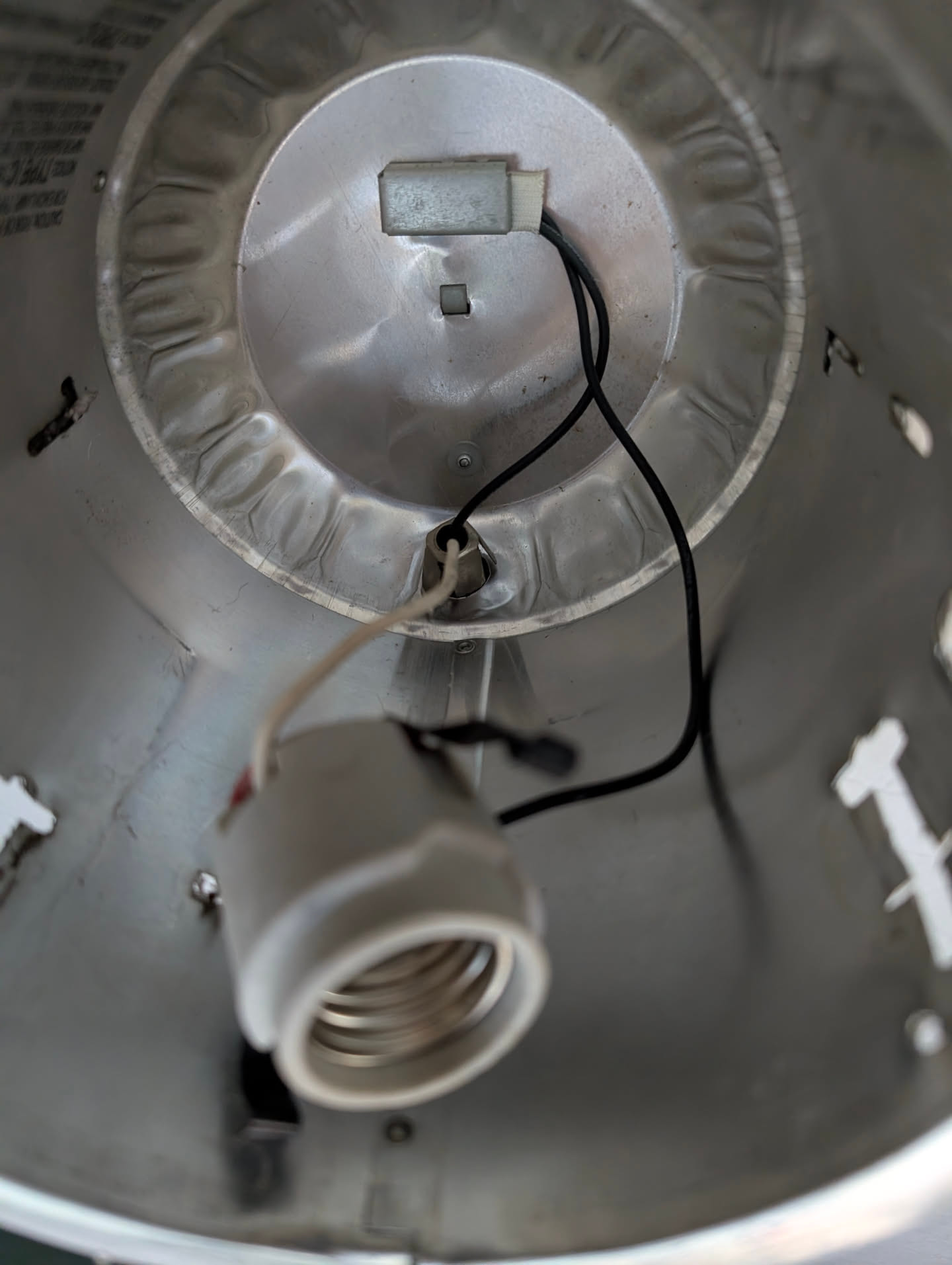
The first light in the circuit is a can light that I adapted to a regular bulb using a flush mount conversion kit, with a hardwire connection to a new pendant light fixture. Something I totally forgot that I did.